
Indoor air quality is often overlooked, but it plays the critical role in our overall health in addition to comfort. Allergens such as mould spores, dust mites, plus pollen can accumulate within the ductwork of our homes and jobs, silently triggering allergies and respiratory problems. While many individuals associate these contaminants in the air with the outdoors or perhaps visible surfaces, very few realize how drastically dirty air ductwork lead to indoor air flow pollution. This article is exploring how professional duct cleaning can reduce inside allergens like mildew, dust, and pollen, leading to a healthier indoor atmosphere.
Understanding the Origin: How Allergens Build up Indoors
Before sampling into the benefits associated with duct cleaning, it’s important to appreciate how allergens find their own way into your current office or home:
1. Mold
Mould thrives in moist, dark environments—making air ducts a good ideal breeding terrain, especially when moisture build-up or condensation or leaks are present. Once mould starts to grow, its spores can be produced over the indoor space, triggering allergies, bronchial asthma, and much more serious breathing conditions.
2. Dust
Dust is a good inevitable a part of living, composed of dry skin cells, textile fibers, soil particles, and more. HVAC systems continuously recirculate air, which signifies dust trapped throughout ductwork may be offered into every place, especially when the program turns on.
three or more. Pollen
Pollen doesn’t just stay outdoors. It enters home through open entry doors, windows, as well as upon clothing or pets. Once inside, this can settle into ductwork and end up being redistributed throughout typically the home.
he has a good point of Indoor Allergens
Allergens like mildew, dust, and pollen affect more than just comfort—they can seriously effects health:
Respiratory Problems: Prolonged experience of in house allergens can cause or worsen asthma, bronchitis, and other respiratory system illnesses.
Allergic Responses: Symptoms such because sneezing, coughing, itching eyes, and pores and skin rashes are typical hypersensitive responses.
Compromised Proof System: For immunocompromised individuals, exposure in order to mould spores or perhaps high dust standards can be especially harmful, potentially leading to be able to severe infections.
Children, elderly individuals, plus people with pre-existing health conditions are particularly prone to weak indoor quality of air.
Exactly how Duct Cleaning May help Eliminate Allergens
Specialized duct cleaning is usually more than simply dusting off the vents. It calls for a deep-cleaning process that will targets all pieces of your HEATING AND COOLING system, including source and return air ducts, registers, entrée, heat exchangers, in addition to coils. Here’s how it helps battle allergens:
1. Elimination of Built-Up Dust particles
Over time, layers of dust can easily settle in duct work. When the HEATING AND COOLING system operates, this particular dust is redistributed into the air a person breathe. Duct washing physically removes this kind of buildup, significantly reducing indoor dust levels.
2. Mould Diagnosis and Elimination
Duct cleaning professionals employ specialized equipment to detect and get rid of mould. If mildew is located, they may possibly recommend antimicrobial treatment options to ensure the spores are not necessarily just removed but also prevented by returning.
3. Getting rid of Pollen
Pollen debris that make their very own way into typically the HVAC system may settle in ductwork and filters. Throughout cleaning, these contaminants are thoroughly taken out, reducing allergic reactions specially during peak pollen seasons.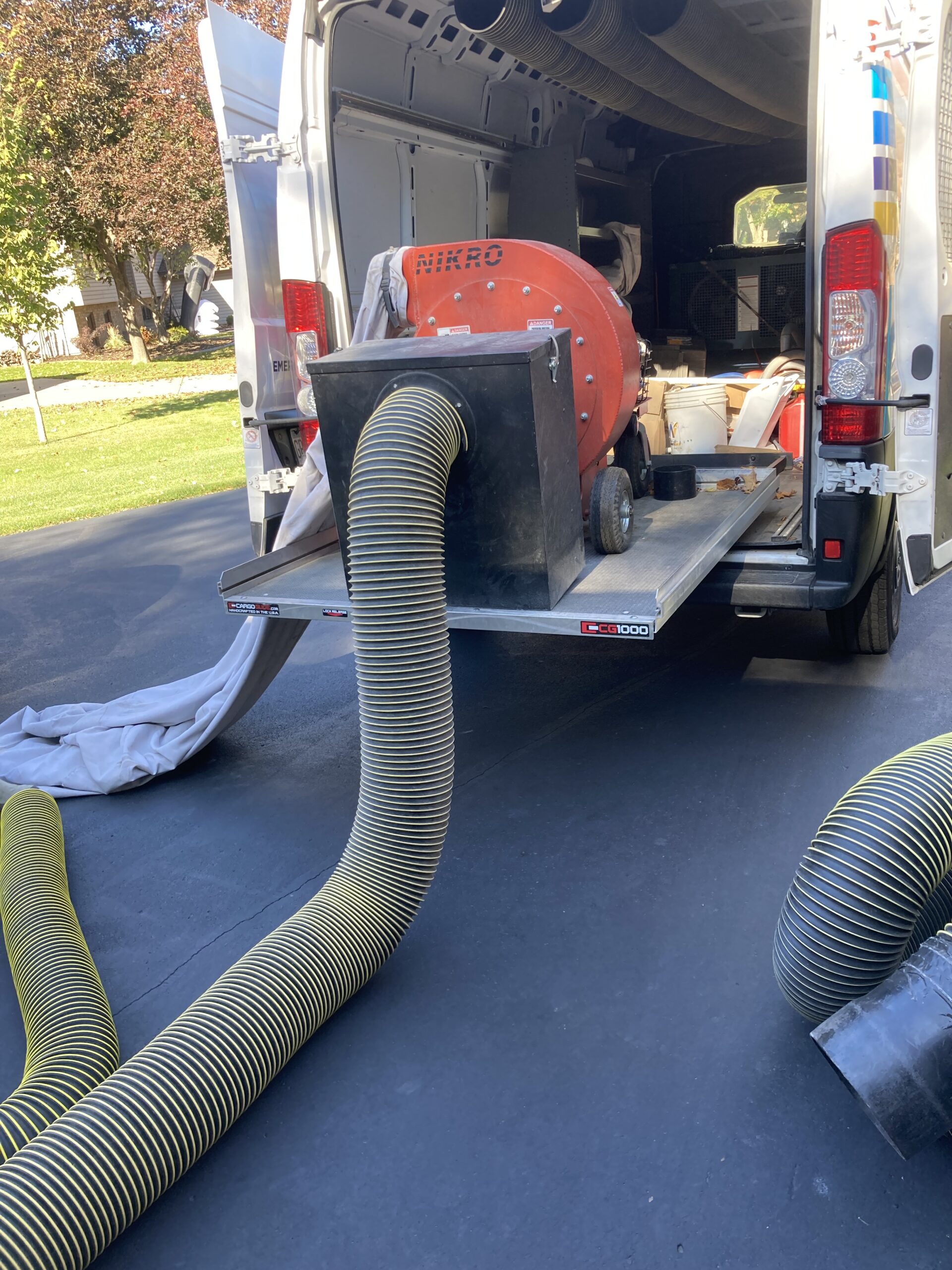
4. Enhanced Air Purification
A clean duct technique allows HVAC filters to work more proficiently. When the technique isn’t clogged together with debris, filters capture more allergens, improving overall air quality.
Signs Your Ductwork May Need Washing
How do an individual know when it’s time for a new professional duct cleanup? Look out for the subsequent signs:
Obvious Mould or Musty Odors: A consistent musty smell or even visible mould about vents is some sort of red flag.
Abnormal Dust: If dust particles reappears quickly right after cleaning surfaces, your own ducts may end up being circulating it.
Allergic reaction Flare-Ups: Increased allergic reaction symptoms without backyard triggers can show indoor air troubles.
Insect or Animal Infestation: Pest waste or indications of having their nests in ducts are generally not only detrimental but allergenic.
Unequal Airflow or HEATING AND AIR CONDITIONING Inefficiency: Clogged ducts can reduce airflow, making the body work tougher and contributing to allergen accumulation.
The particular Duct Cleaning Process: What to Anticipate
Professional duct cleansing typically follows these kinds of steps:
Inspection: Technicians use cameras or perhaps scopes to inspect typically the ductwork and recognize problem areas.
Safety: Floors and furnishings are protected ahead of the work begins to avoid spreading mud.
Dislodging Debris: Star-powered brushes and surroundings tools are utilized to loosen grime and contaminants.
Vacuuming: A specialized hoover system with DUST filters removes typically the dislodged debris.
Sanitizing (Optional): In instances of mould or bacteria, an EPA-approved antimicrobial treatment may well be applied.
Post-Cleaning Inspection: The system are re-inspected to make sure thorough cleaning.
Advantages Beyond Allergen Reduction
While allergen reduction is a main good thing about duct washing, the procedure also gives several additional rewards:
Improved HVAC Productivity: Clean ducts allow better airflow, reducing energy bills in addition to wear on the system.
Extended Tools Life: Removing debris prevents the program from overworking, therefore prolonging its lifespan.
Odor Removal: Consistent smells from dogs, cooking, or mildew can be reduced significantly.
Better Rest and Comfort: Cleaner air promotes better breathing, which leads to improved sleep quality and overall comfort.
How Generally Should You Clear Your Ducts?
The particular National Air Duct Cleaners Association (NADCA) recommends duct cleaning up every 3 to be able to 5 years. On the other hand, more frequent cleansing may be required under certain circumstances:
You have household pets that shed.
An individual in the house has allergies or asthma.
Your current home has been subject to recent renovations or even construction.
You live in an area with good pollen counts or even pollution.
There has got been water damage and mold to be able to the HVAC technique.
Choosing a Trusted Duct Cleaning Services
When selecting the duct cleaning services, consider the adhering to:
Certification: Choose NADCA-certified professionals.
Experience: Ask about their track record and methods applied.
Reviews and Referrals: Check online review articles or ask close friends and neighbors for recommendations.
Detailed Estimate: Get a total cost breakdown in order to avoid hidden charges.
Guarantee: A good support should offer satisfaction guarantees or post-cleaning reports.
DIY as opposed to. Professional Cleaning: What’s Best?
While you can change filters and vacuum vents on your own, a full duct cleaning requires specialist tools and expertise. DIY efforts may not reach deeper parts of the program, and improper handling can even launch more allergens in to your home. Regarding comprehensive allergen lowering, professional cleaning keeps the safest and even most effective option.
Conclusion
In a new world where folks spend nearly 90% of their time indoors, the significance of clean up, allergen-free air cannot be overstated. Mold, dust, and pollen lurking in your own ductwork can offer serious health problems in addition to degrade the comfort of the indoor environment. Specialist duct cleaning is a proactive treatment for reduce indoor contaminants in the air, improve air top quality, and support general well-being.
Investing inside of duct cleaning isn’t just about cleaner vents—it’s about creating a healthier, safer place for you and your loved types.
Mold, Dust & Pollen: How Duct Cleansing Reduces Indoor Allergens
Home Uncategorized3 Mold, Dust & Pollen: How Duct Cleansing Reduces Indoor Allergens