
Contents
While opiates make great pain relievers on their own, when taken with alcohol, it becomes a recipe for disaster. Combination hydrocodone medications can lead to additional complications when mixed with other substances that may lead to a toxic buildup in the liver. Hydrocodone is commonly combined with acetaminophen, and significant liver damage can occur if mixed with drugs also metabolized in the liver, such as CYP34A inhibitors and alcohol.
Can I have a glass of wine if I took hydrocodone?
Doctors and pharmacists warn that alcohol should not be consumed when taking opioid painkillers such as hydrocodone, but is it really that dangerous? The answer is yes! Mixing hydrocodone with alcohol can have extremely dangerous, potentially deadly consequences.
Finally, operating a motor vehicle or machinery can be hazardous after consuming either alcohol or Norco, but doing so after using a combination of both can be especially dangerous. Mixing hydrocodone with alcohol can lead to impaired judgment and the decision to get behind the wheel of a vehicle. Furthermore, impairment of motor skills can make it extremely difficult for a person to safely operate a vehicle once he or she is on the road. The Dangers of Using Hydrocodone With Alcohol – Both alcohol and prescription opioids are frequently abused in the United States. The risks of abusing either substance by themselves are considerable, but when the substances are combined, these risks are dramatically increased. Moderate amounts of alcohol with hydrocodone increases the risk of severe side effects like trouble breathing and overdose, which can be fatal.
Can You Mix Hydrocodone and Alcohol?
If you have taken hydrocodone for a long time or at high doses, you should be weaned off hydrocodone slowly to prevent serious side effects of physical withdrawal. Opioid replacement therapy, or medical detox, can help with the physical reactions of opiate withdrawal. Hydrocodone and alcohol are both addictive drugs that when abused produce many negative and potentially life-threatening side effects. Programs specializing early recovery following new onset anosmia during the covid in these disorders provide holistic therapies instead of treating one at a time. Detox is typically not a sufficient treatment for addiction, so comprehensive substance abuse programs are necessary to prevent relapse and support long-term recovery from hydrocodone addiction and alcoholism. Overdose can occur more quickly when these two substances are combined than if one or the other is taken on its own.
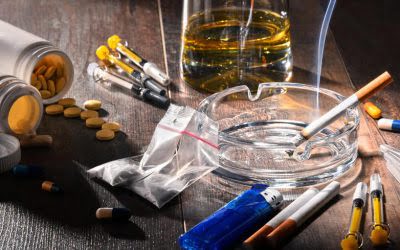
AppleGate Recovery gets it, and we’ll take you through detox and help you get on the road to recovery. Contact AppleGate Recovery todayto learn how our proven addiction treatment method can help you. If you are prescribed any form of hydrocodone as a pain reliever, the best course of action is to take the medicine exactly as prescribed and only for the length of the prescription. Drinking water with your pill is the safest and most reliable way to ensure you do not have any type of adverse reaction to the medicine. It is never wise to combine any medication with alcohol, but the combination of hydrocodone and alcohol poses a severe and potentially deadly risk. Because hydrocodone is a central nervous system depressant, when it is mixed with other substances that have similar mechanisms of action on the CNS, the risk for overdose is compounded.
HYDROCODONE ADDICTION
We usually start our patients off with medically monitored detox to alleviate withdrawal symptoms and help them manage drug cravings. Then, they can move on to their opioid rehab program, where they may receive counseling and therapy to overcome their addictions. Moreover, consuming any drug containing hydrocodone with alcohol can lead to life-threatening effects. Alcohol intensifies and accelerates the release of hydrocodone into the system (as much as two-fold) which can result in dangerously high levels of the substance in the body.
- As a result, it’s one of the many drugs that have contributed to the opioid epidemic and the growing demand for inpatient drug treatment.
- Usually, when you mix two drugs or substances, their adverse effects tend to be stronger.
- According to the Drug Enforcement Administration , hydrocodone is the most commonly prescribed opioid in the United States.
- The two substances combined can cause your heart rate to slow down so much that it makes it difficult for you to breathe.
Long-term use of a hydrocodone product that is combined with acetaminophen, such as Vicodin, can be toxic to the liver, leading to liver disease and even death. While withdrawal and tolerance are the hallmarks of dependence, their presence doesn’t necessarily indicate abuse. People who mix hydrocodone and alcohol are usually people who struggle with both gaba glutamate system and paws alcohol and opioid dependence. In this regard, the best way to keep them safe from the deadly effects of mixing the two substances would be to help them cope with and overcome their addiction to these substances. An overdose involving both alcohol and hydrocodone may be more difficult to reverse than an overdose on either of the substances on their own.
Dangers of Mixing the Substances
We are here to help you through every step of the process from help detoxifying to getting intense one-on-one help with inpatient addiction treatment. If you notice any of these symptoms and suspect an individual is suffering from an overdose either from mixing hydrocodone with alcohol or from taking illegal drugs, call immediately. The reason why mixing hydrocodone with alcohol is so dangerous is because both substances have very similar qualities. By mixing these two substances, you experience intense side effects that are not only serious, but potentially life threatening. Like many other opiates commonly mixed with alcohol, hydrocodone is a depressant. Both alcohol and opiates can lead to depressed breathing, drowsiness, delirium and nausea.

The two substances combined can cause your heart rate to slow down so much that it makes it difficult for you to breathe. When you have difficulty breathing, the brain is unable to get enough oxygen. When you’re dealing with alcohol and opiate addictions, you need help from people who understand substance misuse and dependence and can lend a compassionate hand as you work through this difficult time.
Drug and Alcohol Addiction
The U.S. National Library of Medicine warns against any amount of alcohol being introduced while taking a product containing the potent opioid. The onset of hydrocodone’s effects is slower to begin than alcohol’s effects, which means a person may keep drinking or taking more of the drug to try and feel the euphoric high. Addiction, in general, can also impact your career, finances, and relationships.
Hydrocodone, a powerful opioid painkiller medication, is prescribed to treat severe pain. It is dispensed as an extended-release format, which means it can be used to control pain around the clock, and as a combination medication for immediate relief. Hydrocodone is also an antitussive medication that can be used to control cough.
If a person is suffering from any kind of drug overdose, the most crucial thing to do is to call 911 and get emergency help right away. Every second that a person spends without getting help contributes to the damage their body sustains, so it is imperative to get help immediately. The long answer is that since alcohol is very similar to hydrocodone, it also slows down your physical and cognitive ability which the central nervous system considers a depressant as well. Since hydrocodone is an opioid depressant, it slows down your central nervous system and may affect your breathing and cognitive ability.
A Recipe for Disaster: Why You Should Not Mix Hydrocodone and Alcohol
If you or someone you love is struggling with hydrocodone or alcohol addiction, The Recovery Village Ridgefield is here to help. Contact us today to speak with a representative and learn more about addiction treatment programs that can work well for your situation. Also contain alcohol, which can cause someone to unknowingly mix hydrocodone with alcohol. When a person mixes alcohol with hydrocodone — whether purposely or unintentionally — they may be putting themselves in danger. Many people may be more familiar with one of hydrocodone’s brand names, such as Vicodin, Lortab, Lorcet or Norco. We can help you explore your substance abuse treatment options and get you started on your journey to sobriety and drug-free living.
What happens if you drink wine with narcotics?
Prescription opiates (e.g., Vicodin, OxyContin, Tylenol 3 with codeine, Percocet) combined with alcohol can result in slowed or arrested breathing, lowered pulse and blood pressure, unconsciousness, coma, and potential death.
When taken together, alcohol and hydrocodone intensify each others’ side effects, causing you to lose your motor skills, coordination, and ability to think clearly. Because both drugs are depressants, they also slow your heart rate and breathing down to the point where you don’t get enough oxygen to the brain, causing you to lose consciousness. While this drug’s powerful pain-relieving properties make it effective in treating chronic pain, they also make it a common drug of abuse. Not only does hydrocodone alleviate physical discomfort, but it also stimulates the release of dopamine and the reward system to produce a sedative and euphoric high, especially when taken in high doses.
If you have access to naloxone, also known as Narcan, this would be the time to use it. It may help the individual stay more alert until they can get additional help. Even if you do use Narcan, the person should still be checked out by a medical professional as soon as possible.
That is why it is so important to seek help from an addiction treatment program. If left untreated, the side effects of mixing hydrocodone with alcohol can be deadly. Drinking alcohol with hydrocodone or other opioids is also dangerous because opioids affect your inhibitions or ability to make sound decisions, excessive alcohol consumption can affect bone health causing you to drink too much or take too many pills. Moreover, because hydrocodone contains acetaminophen, long-term alcohol and hydrocodone abuse can lead to liver toxicity, disease, or failure. One of the biggest concerns about mixing hydrocodone with alcohol is its effect on your breathing and heart rate.