
Chronic pain impacts millions of Canadians, significantly impacting their very own quality of life. Traditional treatments often provide minimal relief and can easily carry risks regarding side effects or even dependency. In current years, cannabidiol (CBD) oil has emerged as a potential alternative for pain management. This post explores the Canadian landscape of CBD use for long-term pain, examining its efficacy, regulatory framework, patient experiences, and even the requirement of more research.
Understanding CENTRAL BUSINESS DISTRICT and Its Role in Pain Managing
CBD is a non-psychoactive compound present in cannabis plants. Unlike tetrahydrocannabinol (THC), CBD would not produce a “high, ” making it the appealing strategy to all those seeking pain alleviation without psychoactive effects. Preclinical studies have shown that CBD owns anti-inflammatory and pain killer properties, suggesting prospective benefits for serious pain conditions.
Found in animal models, CENTRAL BUSINESS DISTRICT has demonstrated effectiveness in reducing pain and inflammation. As an example, studies have indicated that CBD can attenuate hyperalgesia in addition to allodynia in top models of neuropathic soreness. However, translating these kinds of findings to human populations requires extra robust clinical trials.
Regulatory Landscape in Canada
Canada legalized both medical and pastime cannabis from the Cannabis Act in 2018. Under this legislation, CBD is regulated as a manipulated substance, regardless associated with its source. This particular means that CBD products are content to strict controls on production, circulation, and sale. Health Canada oversees the particular regulation of CENTRAL BUSINESS DISTRICT, ensuring that products meet safety plus quality standards.
Despite these regulations, difficulties persist. A study analyzing online CENTRAL BUSINESS DISTRICT retailers in Canada found that over one half made unauthorized well being claims, particularly relating to pain management. This sort of practices contravene the particular Cannabis Act and even highlight the need for harsher enforcement to safeguard customers from misleading data.
Prevalence of CENTRAL BUSINESS DISTRICT Use for Serious Pain
The Canadian Cannabis Survey 2024 revealed that 34% of individuals applying cannabis for healthcare purposes did and so to manage long-term pain. Additionally, 37% used it regarding arthritis-related pain. These figures underscore the particular significant role CENTRAL BUSINESS DISTRICT plays within the self-management of chronic discomfort among Canadians.
Strangely enough, anchor described a reduction in the use of other medicines. Approximately 46% suggested that cannabis make use of helped decrease their particular reliance on medicines like non-opioid pain relievers, anti-inflammatories, and even opioids. This trend suggests that CENTRAL BUSINESS DISTRICT may serve because a complementary therapy, potentially reducing typically the need for a lot more harmful medications.
Patient Experiences and Tastes
Qualitative studies have got highlight patient activities with CBD with regard to chronic pain. Numerous users report positive aspects for instance improved rest, reduced anxiety, in addition to better overall health. CBD-dominant tools are usually preferred because of the little side effects in comparison to THC-dominant products.
However, barriers to CENTRAL BUSINESS DISTRICT use persist. Patients cite issues for instance cost, accessibility, and also a lack of data from healthcare providers. Many people discontinue use because of insufficient soreness relief or undesired side effects. These findings highlight the importance of personalized approaches as well as the need for health-related professionals to become well-informed about CENTRAL BUSINESS DISTRICT.
Healthcare Provider Views
Healthcare providers in Canada have expressed concerns about recommending CENTRAL BUSINESS DISTRICT due to constrained high-quality evidence in addition to a lack of clinical rules. The absence involving standardized dosing in addition to administration protocols more complicates the mixing associated with CBD into discomfort management practices.
To be able to address these challenges, initiatives like typically the Cannabinoid Research Effort of Saskatchewan (CRIS) are conducting interdisciplinary research to evaluate the efficacy plus safety of cannabinoids. Such efforts aim to provide health care professionals with evidence-based information to guideline clinical decisions.
Security and Side Effects
While CBD is generally well-tolerated, it is not necessarily without risks. Noted side effects incorporate drowsiness, dry mouth, nausea, and potential interactions with some other medications. Health Canada’s advisory committee recommends caution, especially at doses exceeding 2 hundred mg/day, due to constrained data on long-term safety and possible liver function malocclusions.
Moreover, deficiency of standardized labeling and dosage instructions on CENTRAL BUSINESS DISTRICT products can cause misuse or overconsumption. Clear guidelines and consumer education are crucial to mitigate these kinds of risks.
The Want for Further Research
Despite promising anecdotal reports and first studies, there remains a need regarding rigorous clinical trials to determine the efficiency and safety regarding CBD for chronic pain management. Analysis should focus upon:
Determining optimal dosing strategies
Understanding extensive effects
Evaluating interactions with other medicines
Assessing efficacy around different types associated with chronic pain
Like studies can provide typically the evidence base essential for developing clinical rules and informing each healthcare providers plus patients.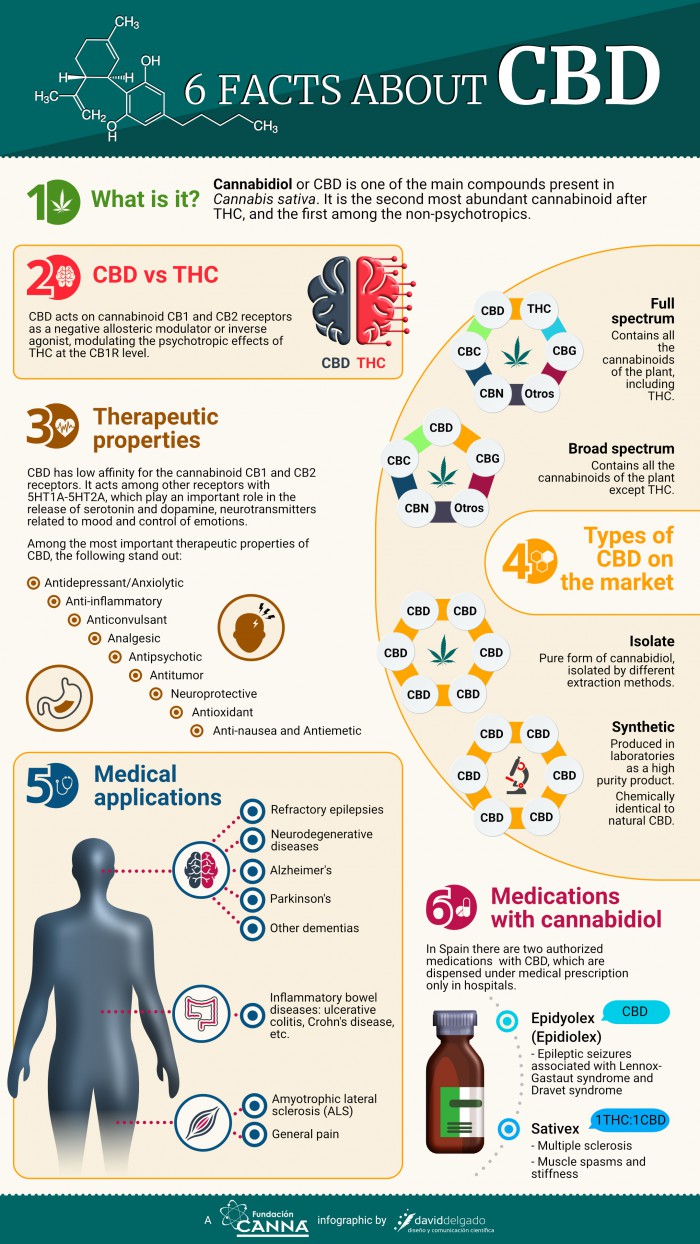
Conclusion
CENTRAL BUSINESS DISTRICT oil holds guarantee as a component of chronic discomfort management canada. While many patients statement positive outcomes, the existing regulatory environment, lack of standardized guidelines, and limited clinical data present challenges. Addressing these issues by way of comprehensive research, training, and policy adjustment is going to be crucial in harnessing the total potential of CENTRAL BUSINESS DISTRICT for chronic pain relief.
References
Canadian Cannabis Survey 2024: Summary. Health Nova scotia.
For health attention professionals: Cannabis and even cannabinoids. Health North america.
Report on cannabidiol: Report with the Science Admonitory Committee on Health Products Containing Hashish. Health Canada.
Cannabinoid Research Initiative of Saskatchewan. Wikipedia.
Individuals’ Values and Personal preferences Regarding Medical Hashish for Chronic Soreness: A Descriptive Qualitative Study. PubMed
Some sort of Survey on typically the Use of Cannabidiol (CBD) Isolate, Its Perceived Benefits, plus Associated Side Effects Among Subjects With Chronic Pain. PMC
Cannabinoids in Long-term Pain Management: The Review of the, Efficacy, Applications, in addition to Risks. MDPI.
Canadian clinical practice recommendations for the make use of of plant-based marijuana and cannabinoid-based products in the administration of chronic non-cancer pain and co-occurring conditions: protocol regarding a systematic materials review. PMC.
Cannabidiol (CBD), and industrial hemp. Health North america.
CENTRAL BUSINESS DISTRICT Oil and Long-term Pain Management: Canadian Perspectives
Home Uncategorized3 CENTRAL BUSINESS DISTRICT Oil and Long-term Pain Management: Canadian Perspectives